
Fires and Floods: The rebuilding of golf communities after Mother Nature’s occasional visits
by Andrew Penner
Early in the morning on June 20th, 2013, Darren Robinson, general manager of the Kananaskis Country Golf Course in western Alberta, was jolted awake by a loud knock on his door. Calvin McNeely, superintendent of the course, was the unexpected visitor. Robinson opened the door and saw the grim look on McNeely’s face.
“We’ve got a big problem,” McNeely said. “And it’s worse than you think.”
Robinson threw on a jacket, hopped in McNeely’s truck, and they sped to the course. A few minutes later, standing on the bluff overlooking the closing holes, Robinson was shocked by what he witnessed. The devastation was unimaginable.
Thanks to eight inches of rain in a two-day period plus additional meltwater from the snow-choked mountains, the Evan Thomas River went from a peaceful mountain stream to a raging torrent, plunging down the mountain at nearly 10 times its normal volume.
“The river burst its banks and the flooding was catastrophic,” recalls Robinson. “The water carved new channels through the course that didn’t exist. It tore out cart paths, the irrigation system, and deposited thousands of trees, rocks, and an extraordinary amount of silt onto the courses. Basically, 32 of the facility’s 36 holes were heavily damaged or destroyed. We were closed for five years while we cleaned up and, eventually, rebuilt. It was a historic weather event nobody here will ever forget.”
Unquestionably, when Mother Nature unleashes her full fury, she does tend to create some lasting memories. And just as floods, fires, hurricanes, extreme droughts, earthquakes, and the like, cause carnage to the world at large, golf courses are often on the front lines of these events.
In recent years many courses in the Pacific Northwest – especially in the Canadian provinces of British Columbia and Alberta – have been hit hard. And often it seems that floods and fires are the common culprits.
While the floods that ravaged Alberta in 2013 were historic, other areas in the region – British Columbia’s Lower Mainland comes to mind – are certainly not immune to floods. The Hope Golf & Country Club and the Fraserglen Golf Course in Abbotsford are two facilities that have recently been severely challenged by major flooding events.
However, these days it seems like wildfires are the most prevalent and widespread issue. Fires and heavy smoke in British Columbia’s Thompson Okanagan region, for example, have become so common in the past few years that some people are dubbing the region “The Smokanagan.” Others have quipped there are now just two seasons in British Columbia: the winter season and fire season.
And the losses, the evacuations, and the smothering, wind-aided smoke problems associated with these fires have cancelled innumerable rounds and turned idyllic summer golf days into, well, something quite the opposite.
“We’ve been fortunate that fire hasn’t directly affected Predator Ridge,” says Michelle Beaudry, director of marketing and communications at the popular Vernon-area golf community. “However, perception remains an ongoing challenge. Conditions change from one day to the next. When a fire is in the news it’s easy for people to picture the entire region being impacted, when often it’s quite localized.”
As with many golf facilities in the area, mitigating risk, protecting the course, homes, property, and so on, is paramount at Predator Ridge. “We’ve been a FireSmart community since 2016,” Beaudry says. “Our resident-led Community Safety Committee works year-round on education, property assessments, and cleanups to reduce fuel loads. We have a fire station on property and it’s staffed 24/7 during high-risk season. We were also the first residential resort community in Canada to invest in SenseNet’s wildfire detection technology. More than 100 sensors, gateways, and cameras use gas sensing, thermal imaging, and AI to spot potential fires early.”
Unfortunately, not every golf course and community is armed with the latest and greatest. And even if they are, when conditions are right, wildfires can basically be unstoppable.
The community of Fort McMurray, which is located in a fairly remote area of northern Alberta, knows this all too well. In 2016 the community suffered the costliest natural disaster in Canadian history. Damages from a massive blaze totaled nearly $10 billion. Over 2,400 homes and buildings were destroyed by “The Beast.”
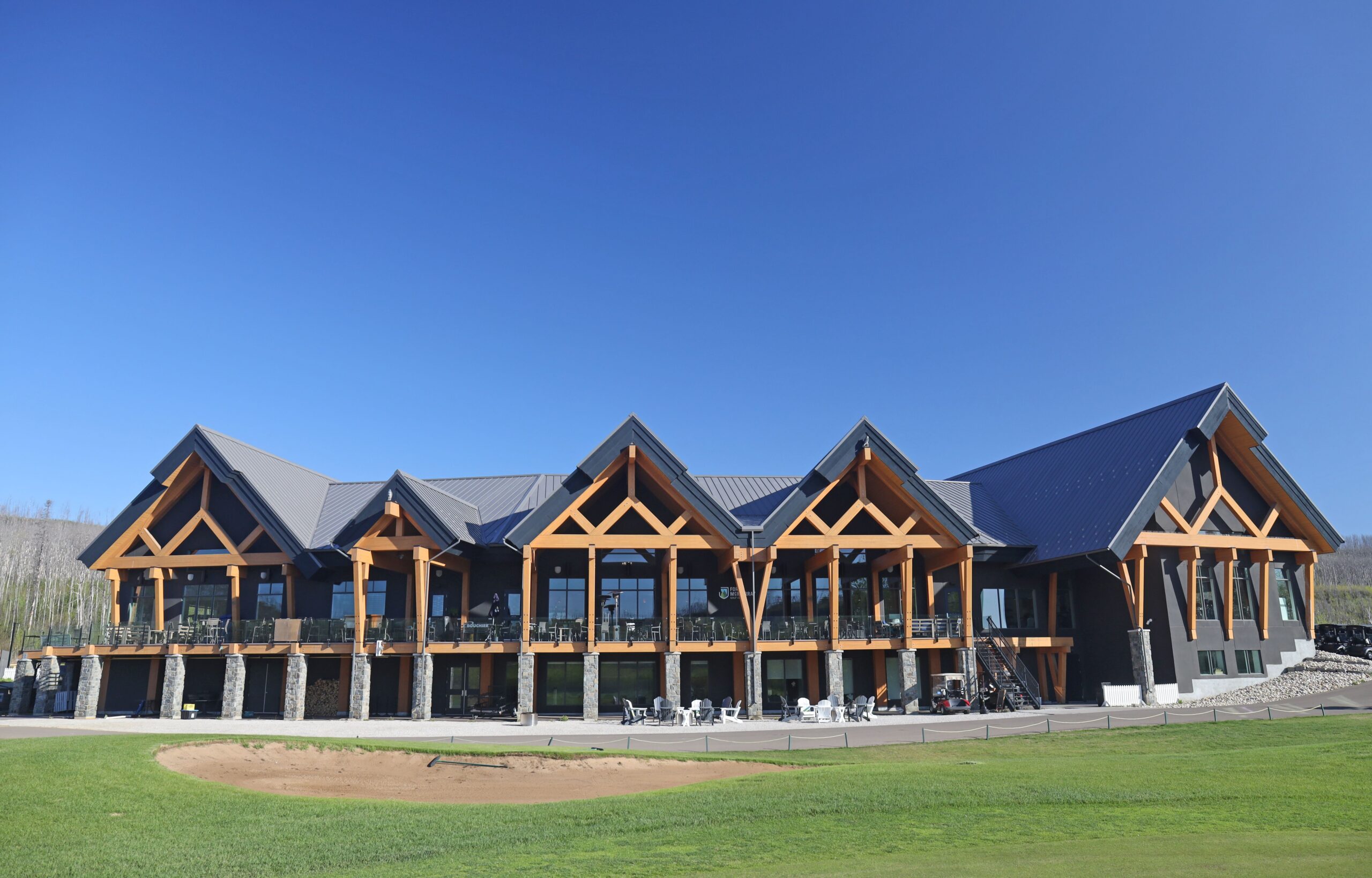
Fort McMurray’s golf courses – there were three at the time, but two more courses have since been built there – also sustained heavy losses. At the Fort McMurray Golf Club, which sits snug along the Athabasca River, the catastrophic fire engulfed the entire course, thousands of trees were lost, and the clubhouse was reduced to ash.
On my visit there in the summer of 2022 I played every course in the Fort McMurray area, including the new Rotary Links layout, which is located in the “burn zone” just south of town. While I was struck by the charred and decimated landscapes, there was also a sense of rebirth, regeneration, and a tangible hope among the people there – especially the golfers – that recovery was at hand. A gorgeous new timber-framed clubhouse now stands at the Fort McMurray Golf Club. The forest is making a comeback. The golf courses were busy. The economy there – thanks mainly to the high price of oil, the industry that fuels the local coffers – is booming again.
At the historic Fairmont Jasper Park Lodge Golf Course in Jasper, Alberta, a similar theme is in motion. The massive fire that swept through Jasper in July of 2024, in which approximately 30 percent of the town was destroyed, has left scars that will take decades to heal.
The legendary Stanley Thompson-designed golf course, one of his mountain masterpieces, was also dramatically altered – the course was closed for over a year, approximately 90 percent of the trees on the property were lost, and the entire turf-care center went up in flames.
However, a new experience at Jasper is fueling plenty of excitement.
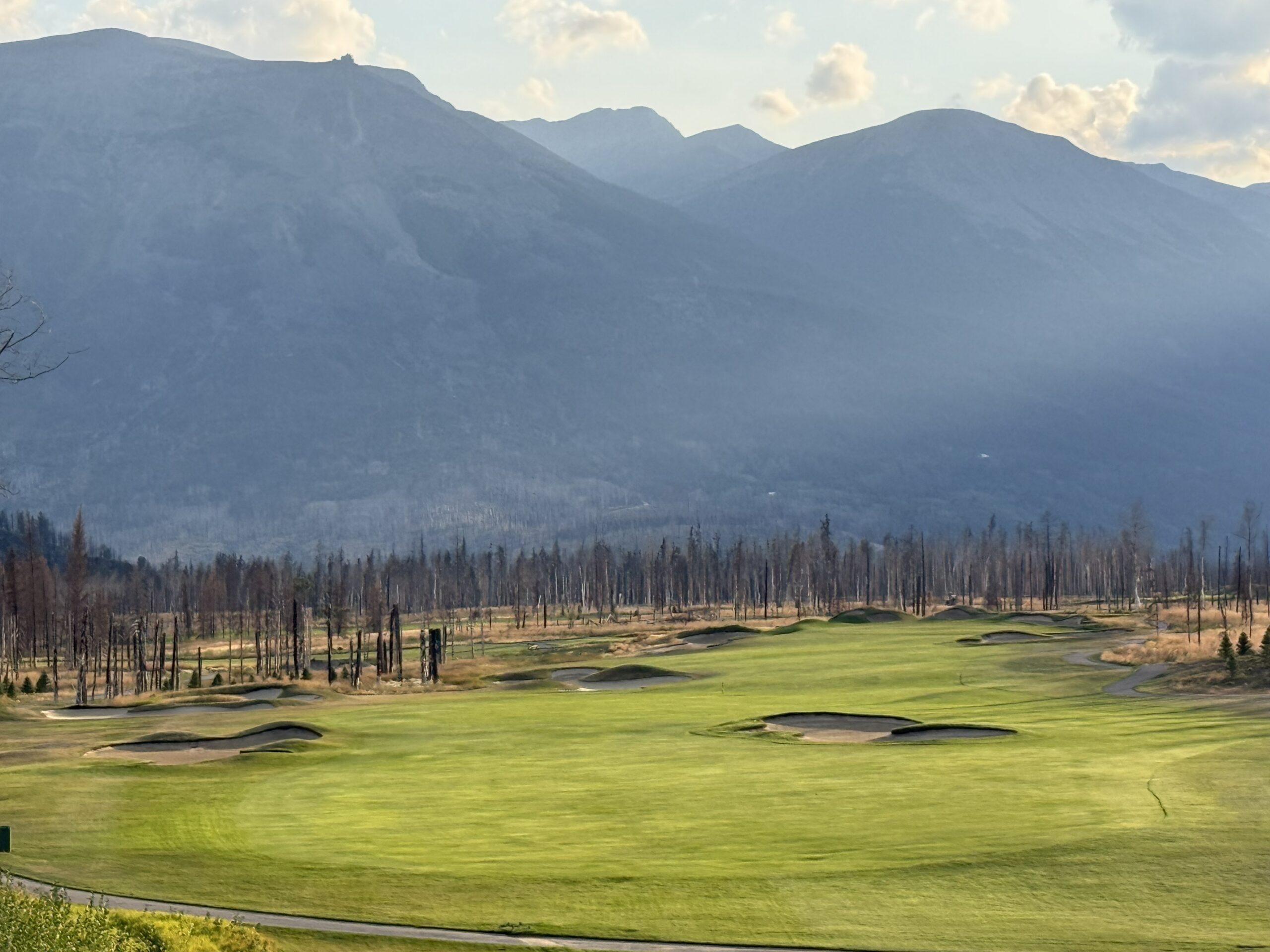
On my visit to the Fairmont Jasper Park Lodge Golf Course in August of 2026, I was impressed with not just the overall recovery and wonderful condition of the course, but the undeniable fact that the course now actually plays better than it did before the fire.
Stunning mountain views and sightlines have opened up. More shot options are available. Playing corridors are wider. Dense underbrush has now been replaced with beautiful golden grass and natural fescues. Thompson’s artistic shaping and contouring is more dramatic and apparent. Hats off to Jasper’s Head Superintendent, Glenn Griffis, and his entire turf-care team.
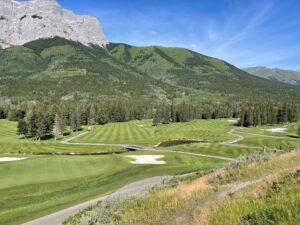
Unquestionably, the rebuild at Kananaskis Country was also a victory. Alberta-based architect Gary Browning led the extensive project and everyone I’ve chatted with feels that the new version is superior.
When the dust settles and the smoke clears – and with all the blood, sweat, and tears necessary to rebuild and restore – good things can always be gleaned when people persevere. The powerful stories of volunteers working side-by-side, bonding, shedding tears together, communities growing tighter, and so on, were common in all of these cases.
“There are so many incredible stories that were passed along by our guests about the positive impact our course had on their lives,” recalls Robinson. “It really motivated us to keep moving forward. Because for a while we really didn’t know if the Kananaskis course could be, or would be, rebuilt. We’re so thankful that we, as a team, made it happen.”


